

Nutrition and Diet: The Complete Guide to Healthy Eating and Better Fitness
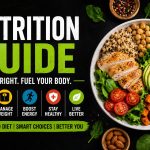
Nutrition and diet play a crucial role in overall health, fitness performance, muscle growth, and weight management. Whether your goal is to build muscle, lose fat, improve athletic performance, or simply live a healthier life, understanding proper nutrition is essential.
Many people spend hours exercising but overlook the importance of what they eat. In reality, nutrition and exercise work together. A balanced diet provides the energy your body needs to perform daily activities, recover from workouts, and maintain optimal health.
What Is Nutrition?
Nutrition is the process through which the body obtains and uses nutrients from food. These nutrients are necessary for growth, energy production, tissue repair, and maintaining bodily functions.
Good nutrition ensures that your body receives the right amount of nutrients in the correct proportions. Poor nutrition can lead to fatigue, weight gain, weakened immunity, and various health problems.
Understanding Macronutrients
Macronutrients are nutrients that the body requires in large amounts. They provide energy and support various bodily functions.
Protein
Protein is essential for muscle growth, tissue repair, and recovery. It is especially important for athletes and individuals who regularly exercise.
Sources of protein include:
- Chicken breast
- Fish
- Eggs
- Greek yogurt
- Lean beef
- Beans
- Lentils
- Tofu
- Cottage cheese
Benefits of protein:
- Supports muscle growth
- Improves recovery
- Helps maintain lean body mass
- Promotes satiety
Carbohydrates
Carbohydrates are the body’s primary source of energy. They fuel workouts, daily activities, and brain function.
Healthy carbohydrate sources include:
- Oats
- Brown rice
- Sweet potatoes
- Whole grains
- Fruits
- Vegetables
- Quinoa
Benefits of carbohydrates:
- Provide energy
- Improve athletic performance
- Support brain function
- Help replenish glycogen stores
Healthy Fats
Healthy fats are vital for hormone production, nutrient absorption, and overall health.
Sources of healthy fats include:
- Avocados
- Nuts
- Seeds
- Olive oil
- Fatty fish
- Natural peanut butter
Benefits of healthy fats:
- Support heart health
- Improve hormone balance
- Increase satiety
- Enhance nutrient absorption
Importance of Micronutrients
Micronutrients include vitamins and minerals that are needed in smaller amounts but are still essential for health.
Important vitamins and minerals include:
Vitamin D
Supports bone health, immune function, and muscle strength.
Vitamin C
Promotes immunity and aids tissue repair.
Calcium
Strengthens bones and teeth.
Iron
Helps transport oxygen throughout the body.
Magnesium
Supports muscle function and energy production.
Eating a variety of fruits, vegetables, lean proteins, and whole grains can help ensure adequate micronutrient intake.
The Role of Water in Nutrition
Hydration is often overlooked but is critical for health and fitness.
Water helps:
- Regulate body temperature
- Transport nutrients
- Improve workout performance
- Support digestion
- Prevent dehydration
Most adults should aim for at least 2–3 liters of water daily, with higher intake during exercise or hot weather.
Balanced Diet Explained
A balanced diet contains the right combination of nutrients to support health and fitness.
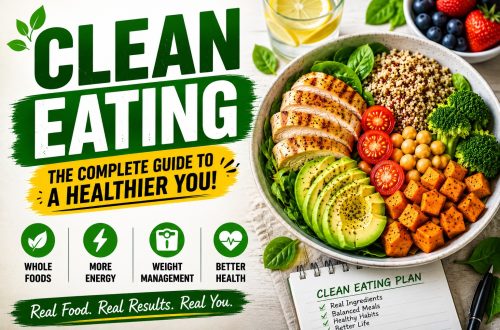
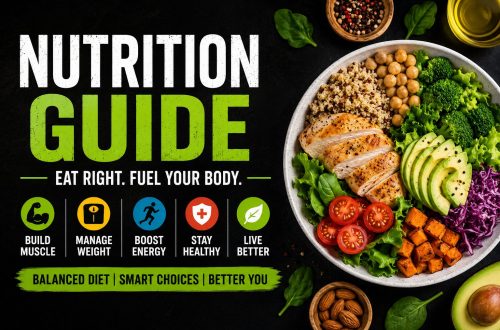
A healthy plate should generally include:
- 25% lean protein
- 25% whole-grain carbohydrates
- 50% vegetables and fruits
- Healthy fats in moderation
Balance is key. Extreme diets are often difficult to maintain and may lead to nutrient deficiencies.
Nutrition for Muscle Building
Muscle growth requires a combination of resistance training and proper nutrition.
Increase Protein Intake
Aim for protein with every meal.
Eat Enough Calories
Muscle building requires a calorie surplus, meaning you consume more calories than you burn.
Focus on Quality Foods
Choose nutrient-dense foods rather than processed junk foods.
Post-Workout Nutrition
Consume protein and carbohydrates after workouts to support recovery and muscle repair.
Example post-workout meal:
- Grilled chicken
- Brown rice
- Mixed vegetables
Nutrition for Weight Loss
Weight loss occurs when you consistently consume fewer calories than your body burns.
Healthy weight loss strategies include:
Prioritize Protein
Protein helps control hunger and preserves muscle mass.
Eat More Fiber
Fiber-rich foods help you stay full longer.
Sources include:
- Vegetables
- Fruits
- Beans
- Whole grains
Control Portion Sizes
Even healthy foods can contribute to weight gain when consumed excessively.
Avoid Sugary Drinks
Liquid calories can quickly increase daily calorie intake.
Best Foods for Overall Health
Some of the most nutritious foods include:
Leafy Greens
Spinach, kale, and lettuce provide vitamins, minerals, and antioxidants.
Eggs
A complete protein source packed with nutrients.
Salmon
Rich in omega-3 fatty acids and high-quality protein.
Berries
Loaded with antioxidants and fiber.
Nuts
Provide healthy fats, protein, and minerals.
Oats
Excellent source of complex carbohydrates and fiber.
Common Nutrition Mistakes
Many people unknowingly sabotage their health goals.
Skipping Meals
Can lead to overeating later in the day.
Not Eating Enough Protein
May reduce muscle growth and recovery.
Excessive Processed Foods
Often high in calories, sugar, and unhealthy fats.
Ignoring Hydration
Even mild dehydration can affect performance.
Following Fad Diets
Extreme diets are difficult to sustain and may be nutritionally inadequate.
Sample Healthy Meal Plan
Breakfast
- Oatmeal
- Banana
- Boiled eggs
Mid-Morning Snack
- Greek yogurt
- Mixed berries
Lunch
- Grilled chicken breast
- Brown rice
- Vegetables
Afternoon Snack
- Apple
- Handful of almonds
Dinner
- Salmon
- Sweet potato
- Green salad
Evening Snack
- Cottage cheese
Nutrition Tips for Beginners
- Eat more whole foods.
- Include protein in every meal.
- Drink plenty of water.
- Limit processed foods.
- Plan meals ahead of time.
- Read food labels.
- Get enough sleep.
- Practice portion control.
- Eat plenty of vegetables.
- Stay consistent.
Conclusion
Nutrition and diet are the foundation of health, fitness, and long-term well-being. A balanced approach that includes quality proteins, healthy carbohydrates, beneficial fats, vitamins, minerals, and adequate hydration can help you achieve your goals more effectively.
Rather than chasing quick fixes, focus on sustainable eating habits that you can maintain for life. Combined with regular exercise and proper recovery, good nutrition will help you build muscle, lose fat, increase energy, and improve overall health.