



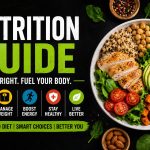





Fat Loss: The Complete Guide to Losing Fat and Achieving a Healthier Body
Introduction
Fat loss is one of the most common fitness goals worldwide. Whether you want to improve your appearance, boost your confidence, enhance athletic performance, or improve your overall health, reducing excess body fat can significantly benefit your quality of life.
Many people struggle with fat loss because they follow fad diets, unrealistic workout programs, or misinformation found online. The truth is that sustainable fat loss is based on simple principles: creating a calorie deficit, eating nutritious foods, exercising regularly, and maintaining healthy lifestyle habits.
This comprehensive guide will explain everything you need to know about fat loss, including nutrition, workouts, recovery, and long-term strategies for success.
What Is Fat Loss?
Fat loss occurs when your body uses stored fat as an energy source. This happens when you consume fewer calories than your body burns throughout the day.
Your body stores excess calories as fat. When a calorie deficit is created, the body begins to use these stored fat reserves to meet energy needs.
Unlike rapid weight loss methods that often result in muscle loss, proper fat loss focuses on preserving muscle while reducing body fat.
Understanding Calories
Calories are units of energy found in food and beverages.
Calorie Surplus
When you consume more calories than you burn, weight gain occurs.
Calorie Deficit
When you consume fewer calories than you burn, fat loss occurs.
A moderate calorie deficit is generally the most effective and sustainable approach for long-term results.
Benefits of Fat Loss
Improved Health
Reducing excess body fat can lower the risk of:
- Heart disease
- High blood pressure
- Type 2 diabetes
- Joint problems
Increased Energy
Many people experience improved energy levels after losing excess fat.
Better Physical Performance
Fat loss can improve mobility, endurance, and athletic ability.
Increased Confidence
Achieving body composition goals often improves self-esteem and confidence.
Nutrition for Fat Loss
Nutrition plays the most important role in successful fat loss.
Prioritize Protein
Protein helps:
- Preserve muscle mass
- Increase satiety
- Support recovery
Good protein sources include:
- Chicken breast
- Fish
- Eggs
- Greek yogurt
- Lean beef
- Beans
- Lentils
Eat More Vegetables
Vegetables provide:
- Fiber
- Vitamins
- Minerals
- Low-calorie volume
Examples include:
- Broccoli
- Spinach
- Cucumber
- Carrots
- Lettuce
Choose Complex Carbohydrates
Healthy carbohydrates provide energy while supporting performance.
Examples:
- Oats
- Brown rice
- Sweet potatoes
- Whole grains
- Fruits
Include Healthy Fats
Healthy fats support hormone production and overall health.
Sources include:
- Avocados
- Olive oil
- Nuts
- Seeds
- Fatty fish
Best Foods for Fat Loss
Lean Proteins
- Chicken
- Turkey
- Fish
- Eggs
High-Fiber Foods
- Oats
- Vegetables
- Fruits
- Legumes
Healthy Snacks
- Greek yogurt
- Mixed nuts
- Protein shakes
- Fruit
Importance of Exercise
While nutrition drives fat loss, exercise helps accelerate results.
Strength Training
Weight training helps preserve muscle during a calorie deficit.
Benefits:
- Maintains muscle mass
- Increases metabolism
- Improves body composition
Aim for 3–5 strength-training sessions weekly.
Cardiovascular Exercise
Cardio increases calorie expenditure and improves heart health.
Examples:
- Walking
- Running
- Cycling
- Swimming
- Jump rope
Combining cardio and strength training often produces the best results.
Daily Activity Matters
Non-exercise activity can significantly impact fat loss.
Examples:
- Walking more
- Taking stairs
- Household chores
- Standing instead of sitting
Increasing daily movement helps burn additional calories.
Hydration and Fat Loss
Water supports:
- Metabolism
- Digestion
- Energy levels
- Workout performance
Many people confuse thirst with hunger, leading to unnecessary calorie intake.
Aim for at least 2–4 liters of water daily.
Sleep and Fat Loss
Sleep is often overlooked but plays a major role in fat loss.
Benefits of quality sleep:
- Better hormone regulation
- Improved recovery
- Reduced cravings
- Increased energy
Most adults should aim for 7–9 hours of sleep per night.
Common Fat Loss Mistakes
Skipping Meals
Skipping meals often leads to overeating later.
Extreme Dieting
Very low-calorie diets are difficult to maintain and may reduce muscle mass.
Ignoring Protein
Insufficient protein can lead to muscle loss.
Relying Only on Cardio
Strength training is equally important for maintaining muscle.
Expecting Fast Results
Sustainable fat loss takes time and consistency.
Sample Fat Loss Meal Plan
Breakfast
- Oatmeal
- Eggs
- Black coffee
Snack
- Greek yogurt
- Apple
Lunch
- Grilled chicken
- Brown rice
- Vegetables
Snack
- Protein shake
Dinner
- Fish
- Sweet potato
- Salad
This meal structure provides protein, fiber, and nutrients while supporting a calorie deficit.
Supplements for Fat Loss
Supplements are optional and should support a healthy diet.
Whey Protein
Helps meet protein requirements.
Caffeine
May improve energy and workout performance.
Fish Oil
Supports overall health.
Remember that no supplement can replace proper nutrition and exercise.
Tracking Progress
Measure success through:
- Body weight
- Progress photos
- Waist measurements
- Fitness performance
- Body fat percentage
Avoid focusing solely on the scale.
Long-Term Fat Loss Success
The key to maintaining results includes:
- Consistent healthy eating
- Regular exercise
- Adequate sleep
- Stress management
- Patience and discipline
Small habits performed consistently produce lasting results.
Conclusion
Fat loss is not about starvation or extreme workouts. It is about creating a sustainable lifestyle that supports healthy eating, regular exercise, proper recovery, and long-term consistency.
By focusing on a calorie deficit, prioritizing protein, staying active, and maintaining healthy habits, you can successfully reduce body fat while preserving muscle and improving overall health. Stay patient, trust the process, and remember that lasting results come from consistent effort over time.

