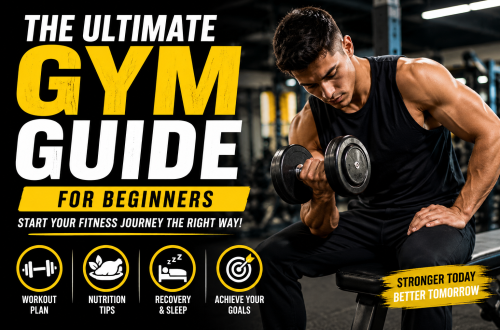

Fitness Tips: The Complete Guide to Building a Healthier and Stronger Lifestyle
Fitness is more than just lifting weights or running on a treadmill. It is a lifestyle that helps improve physical health, mental well-being, energy levels, and overall quality of life. Whether you are a beginner starting your fitness journey or someone looking to improve your current routine, understanding the right fitness principles can help you achieve better results.
In today’s fast-paced world, many people struggle to maintain a healthy lifestyle due to busy schedules, poor eating habits, and lack of motivation. However, making small and consistent improvements can lead to significant long-term benefits. This guide covers practical fitness tips that can help you stay active, build strength, improve endurance, and maintain a healthy body.
Why Fitness Matters
Regular physical activity offers numerous benefits beyond physical appearance. It helps improve cardiovascular health, strengthens muscles and bones, reduces stress, boosts confidence, and supports better sleep.
Some key benefits of fitness include:
- Improved heart health
- Increased energy levels
- Better mental health
- Stronger muscles and bones
- Enhanced flexibility and mobility
- Better weight management
- Reduced risk of chronic diseases
- Improved self-confidence
Making fitness a priority can positively impact almost every aspect of your life.
Set Clear and Realistic Goals
One of the most important fitness tips is setting achievable goals. Without a clear direction, it becomes difficult to stay motivated and track progress.
Examples of realistic fitness goals include:
- Losing 5 kilograms in three months
- Going to the gym four times per week
- Completing a 5-kilometer run
- Increasing bench press strength
- Improving flexibility through stretching
Break larger goals into smaller milestones. Achieving these smaller targets will keep you motivated and focused.
Create a Consistent Workout Routine
Consistency is the foundation of fitness success. Many people start with enthusiasm but lose momentum after a few weeks. The best workout plan is one you can follow consistently.
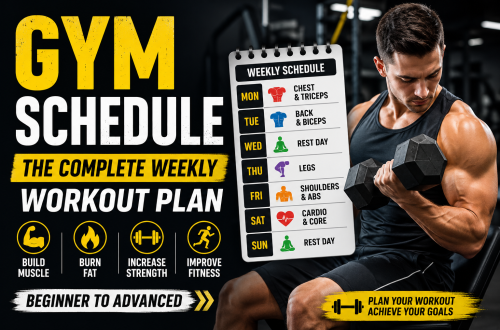
A balanced weekly routine may include:
Strength Training
Strength training helps build muscle, increase metabolism, and improve overall body composition.
Examples include:
- Squats
- Deadlifts
- Bench Press
- Pull-Ups
- Overhead Press
- Barbell Rows
Aim for two to four strength-training sessions each week.
Cardiovascular Exercise
Cardio improves heart health and endurance while helping burn calories.
Popular cardio activities include:
- Running
- Cycling
- Swimming
- Walking
- Rowing
- Jump Rope
Aim for at least 150 minutes of moderate-intensity cardio each week.
Flexibility and Mobility Training
Stretching and mobility exercises improve movement quality and reduce injury risk.
Activities include:
- Dynamic stretching
- Static stretching
- Yoga
- Mobility drills
Spend 10 to 15 minutes stretching after workouts.
Focus on Proper Form
Many beginners make the mistake of lifting heavier weights before mastering technique. Poor form can reduce results and increase injury risk.
When performing exercises:
- Maintain proper posture
- Control each repetition
- Avoid using momentum
- Start with manageable weights
- Learn correct movement patterns
If possible, work with a qualified trainer to ensure proper technique.
Prioritize Nutrition
Exercise alone cannot compensate for poor eating habits. Nutrition plays a critical role in achieving fitness goals.
Eat More Protein
Protein helps repair and build muscle tissue.
Good protein sources include:
- Chicken breast
- Fish
- Eggs
- Greek yogurt
- Lean beef
- Lentils
- Beans
- Tofu
Aim to include protein in every meal.
Consume Complex Carbohydrates
Carbohydrates provide energy for workouts and daily activities.
Healthy carbohydrate sources include:
- Oats
- Brown rice
- Sweet potatoes
- Whole grains
- Fruits
- Vegetables
Choose nutrient-dense carbohydrates instead of processed foods.
Include Healthy Fats
Healthy fats support hormone production and overall health.
Sources include:
- Avocados
- Nuts
- Seeds
- Olive oil
- Fatty fish
Avoid excessive consumption of trans fats and highly processed foods.
Stay Hydrated
Water is essential for exercise performance and recovery.
Benefits of proper hydration include:
- Better energy levels
- Improved workout performance
- Enhanced recovery
- Better digestion
- Temperature regulation
Drink water throughout the day rather than waiting until you feel thirsty.
Get Enough Sleep
Sleep is often overlooked but is one of the most important aspects of fitness.
During sleep, the body:
- Repairs muscles
- Restores energy
- Produces important hormones
- Supports mental recovery
Adults should aim for seven to nine hours of quality sleep each night.
To improve sleep quality:
- Maintain a consistent sleep schedule
- Limit screen time before bed
- Keep your bedroom cool and dark
- Avoid excessive caffeine late in the day
Progressive Overload Is Essential
If you want to build strength and muscle, your workouts must gradually become more challenging.
Ways to apply progressive overload include:
- Increasing weight
- Performing more repetitions
- Adding extra sets
- Improving exercise technique
- Reducing rest periods
Small improvements over time lead to significant results.
Track Your Progress
Tracking progress helps maintain motivation and identify areas for improvement.
Methods include:
- Taking progress photos
- Recording body measurements
- Monitoring workout performance
- Tracking weight changes
- Keeping a fitness journal
Remember that progress is not always reflected by the scale. Increased strength, endurance, and energy are also signs of improvement.
Don’t Skip Warm-Ups
A proper warm-up prepares your body for exercise and reduces injury risk.
An effective warm-up may include:
- Light cardio for five minutes
- Dynamic stretches
- Mobility exercises
- Practice sets with lighter weights
Warming up improves blood flow and prepares muscles for activity.
Make Recovery a Priority
Recovery is just as important as training.
Effective recovery strategies include:
- Rest days
- Proper nutrition
- Hydration
- Stretching
- Foam rolling
- Quality sleep
Overtraining can lead to fatigue, reduced performance, and increased injury risk.
Stay Motivated
Motivation naturally fluctuates over time. Successful individuals rely on discipline and consistency rather than motivation alone.
Ways to stay motivated:
- Set clear goals
- Celebrate small victories
- Find a workout partner
- Follow a structured program
- Track progress regularly
- Focus on long-term health benefits
Building healthy habits is more important than relying on temporary motivation.
Avoid Common Fitness Mistakes
Many people slow their progress by making avoidable mistakes.
Common mistakes include:
- Skipping meals
- Overtraining
- Using poor form
- Neglecting recovery
- Comparing yourself to others
- Following unrealistic diets
- Ignoring hydration
Avoiding these mistakes can significantly improve results.
The Importance of Mental Health in Fitness
Fitness is not only about physical strength. Exercise can have powerful effects on mental well-being.
Regular physical activity may help:
- Reduce stress
- Improve mood
- Increase self-confidence
- Improve focus
- Support emotional well-being
Many people find that exercise becomes an effective tool for managing everyday stress.
Fitness Tips for Beginners
If you’re just starting your fitness journey:
- Start slowly.
- Learn proper exercise form.
- Focus on consistency.
- Set realistic goals.
- Prioritize nutrition.
- Stay hydrated.
- Get adequate sleep.
- Be patient with progress.
Remember that every fitness expert was once a beginner.
Long-Term Fitness Success
Fitness should be viewed as a lifelong journey rather than a short-term challenge. Sustainable habits produce lasting results.
Focus on:
- Consistent exercise
- Healthy eating habits
- Quality sleep
- Proper recovery
- Realistic goal setting
Small daily actions accumulate into significant long-term improvements.
Conclusion
Achieving fitness goals does not require extreme diets or complicated workout plans. The key is consistency, proper nutrition, adequate recovery, and a commitment to continuous improvement. By following these fitness tips, you can build a healthier, stronger, and more active lifestyle.
Start where you are, use what you have, and focus on progress rather than perfection. Every workout, healthy meal, and positive choice brings you one step closer to becoming the best version of yourself.