
The Ultimate Gym Guide for Beginners: Everything You Need to Know Before Starting
Introduction
Starting a gym journey can be exciting, but it can also feel overwhelming. With so many machines, workout programs, fitness influencers, and training methods available, beginners often don’t know where to start. The good news is that getting fit doesn’t have to be complicated. With the right guidance, consistency, and dedication, anyone can achieve their fitness goals.
This comprehensive gym guide will help you understand the basics of gym training, workout routines, nutrition, recovery, and common mistakes to avoid. Whether your goal is weight loss, muscle building, strength improvement, or overall health, this guide will provide a solid foundation for success.
Why Going to the Gym Is Beneficial
The gym offers a structured environment designed to improve physical fitness and mental well-being. Regular exercise provides numerous benefits, including:
Improved Physical Health
Exercise strengthens muscles, bones, and joints while reducing the risk of chronic diseases such as heart disease, diabetes, and obesity.
Better Mental Health
Working out releases endorphins, which help reduce stress, anxiety, and depression. Many people find the gym to be an excellent way to clear their minds after a long day.
Increased Energy Levels
Regular exercise improves cardiovascular health and oxygen delivery throughout the body, resulting in higher energy levels.
Enhanced Confidence
As your body becomes stronger and healthier, your confidence naturally improves. Achieving fitness milestones creates a sense of accomplishment.
Setting Realistic Fitness Goals
Before stepping into the gym, it’s important to define your goals. Having clear objectives helps maintain motivation and allows you to track progress effectively.
Common fitness goals include:
- Losing body fat
- Building muscle mass
- Increasing strength
- Improving athletic performance
- Enhancing overall health
- Boosting endurance
Set specific and measurable goals. For example, instead of saying, “I want to get fit,” say, “I want to lose 10 pounds in three months.”
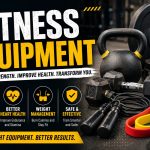
Essential Gym Equipment You Should Know
Walking into a gym for the first time can be intimidating because of the variety of equipment available. Understanding the basics will help you feel more comfortable.
Dumbbells
Dumbbells are versatile weights used for countless exercises targeting different muscle groups.
Barbells
Barbells are ideal for compound exercises such as squats, deadlifts, and bench presses, which help build strength and muscle.
Resistance Machines
Machines guide movement patterns and are excellent for beginners learning proper form.
Treadmills
Treadmills are commonly used for walking, jogging, and running to improve cardiovascular fitness.
Ellipticals
These machines provide low-impact cardio workouts that are easier on the joints.
Cable Machines
Cable systems offer constant tension throughout movements and can target muscles from multiple angles.
Understanding Different Types of Workouts
Strength Training
Strength training focuses on increasing muscle size and strength through resistance exercises.
Examples include:
- Squats
- Bench Press
- Deadlifts
- Pull-Ups
- Shoulder Press
Cardiovascular Training
Cardio exercises improve heart health and burn calories.
Examples include:
- Running
- Cycling
- Rowing
- Jump Rope
- Stair Climber
Flexibility Training
Stretching and mobility exercises improve joint function and reduce injury risk.
Functional Training
Functional exercises mimic real-life movements and improve balance, coordination, and overall athletic performance.
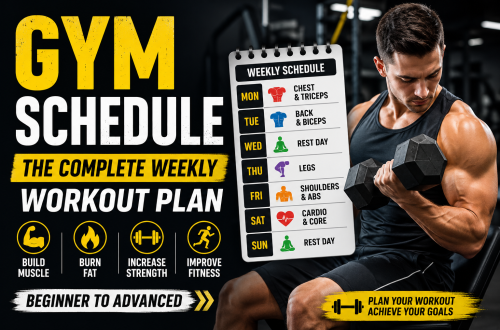
Beginner Gym Workout Plan
A simple full-body workout is often the best starting point for beginners.
Day 1: Full Body Workout
- Squats: 3 sets of 10 reps
- Push-Ups: 3 sets of 10 reps
- Lat Pulldown: 3 sets of 12 reps
- Dumbbell Shoulder Press: 3 sets of 10 reps
- Plank: 3 sets of 30 seconds
Day 2: Rest or Light Cardio
- 20–30 minutes of walking
- Stretching session
Day 3: Full Body Workout
- Leg Press: 3 sets of 12 reps
- Bench Press: 3 sets of 10 reps
- Seated Row: 3 sets of 12 reps
- Dumbbell Curls: 3 sets of 12 reps
- Bicycle Crunches: 3 sets of 20 reps
Day 4: Rest
Day 5: Full Body Workout
- Deadlifts: 3 sets of 8 reps
- Incline Dumbbell Press: 3 sets of 10 reps
- Pull-Ups or Assisted Pull-Ups: 3 sets
- Lateral Raises: 3 sets of 12 reps
- Plank Variations: 3 sets
Importance of Proper Nutrition
Exercise alone cannot deliver optimal results without proper nutrition.
Protein
Protein supports muscle recovery and growth.
Good sources include:
- Chicken
- Fish
- Eggs
- Greek Yogurt
- Lean Beef
- Beans
- Lentils
Carbohydrates
Carbohydrates provide energy for workouts.
Healthy sources include:
- Oats
- Brown Rice
- Sweet Potatoes
- Fruits
- Whole Grains
Healthy Fats
Healthy fats support hormone production and overall health.
Examples include:
- Avocados
- Nuts
- Olive Oil
- Fatty Fish
Hydration
Drink plenty of water throughout the day. Dehydration can negatively impact workout performance and recovery.
The Importance of Warm-Up and Cool-Down
Warm-Up
A proper warm-up prepares your body for exercise by increasing blood flow and mobility.
Examples:
- Light jogging
- Dynamic stretching
- Arm circles
- Bodyweight squats
Cool-Down
Cooling down helps reduce muscle stiffness and promotes recovery.
Examples:
- Walking
- Static stretching
- Deep breathing exercises
Common Gym Mistakes Beginners Should Avoid
Skipping Warm-Ups
Many beginners jump directly into heavy exercises, increasing injury risk.
Using Too Much Weight
Focus on proper form before increasing weight.
Ignoring Recovery
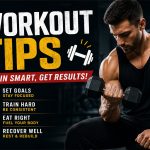
Muscles grow during recovery, not during workouts. Rest is essential.
Poor Nutrition
Training hard while eating poorly limits progress.
Inconsistency
Results come from long-term consistency, not occasional intense workouts.
Comparing Yourself to Others
Everyone progresses at different rates. Focus on your own journey.
Understanding Progressive Overload
Progressive overload is one of the most important fitness principles.
It involves gradually increasing:
- Weight
- Repetitions
- Sets
- Training intensity
This continual challenge forces muscles to adapt and grow stronger over time.
For example:
Week 1: Bench Press 50 kg × 8 reps
Week 2: Bench Press 52.5 kg × 8 reps
Week 3: Bench Press 55 kg × 8 reps
Small improvements accumulate into significant long-term results.
Recovery and Sleep
Recovery is often overlooked but is essential for success.
Why Sleep Matters
During sleep, the body repairs muscle tissue and regulates hormones responsible for recovery and growth.
Aim for:
- 7 to 9 hours of quality sleep each night
Active Recovery
Light activities such as walking, stretching, or yoga can improve recovery between workouts.
Staying Motivated
Motivation naturally fluctuates, so building discipline is crucial.
Ways to stay motivated:
- Track progress
- Take progress photos
- Set short-term goals
- Follow a workout schedule
- Find a gym partner
- Celebrate milestones
Remember that consistency beats perfection.
Advanced Tips for Long-Term Success
Once you’ve built a strong foundation, consider:
- Tracking calories
- Following structured workout programs
- Learning proper exercise technique
- Increasing workout intensity gradually
- Prioritizing recovery
Long-term fitness success comes from sustainable habits rather than quick fixes.
Conclusion
Starting a fitness journey can seem challenging at first, but the gym becomes much less intimidating once you understand the fundamentals. Focus on proper form, consistency, balanced nutrition, adequate sleep, and realistic goals. Avoid common beginner mistakes and embrace gradual progress.
Fitness is a lifelong journey, not a short-term project. Stay patient, trust the process, and commit to continuous improvement. With dedication and consistency, you’ll build a stronger, healthier, and more confident version of yourself.